


- call us today!
- 704-871-0425
What Is The Difference Between A DUI And A DWI In North Carolina?
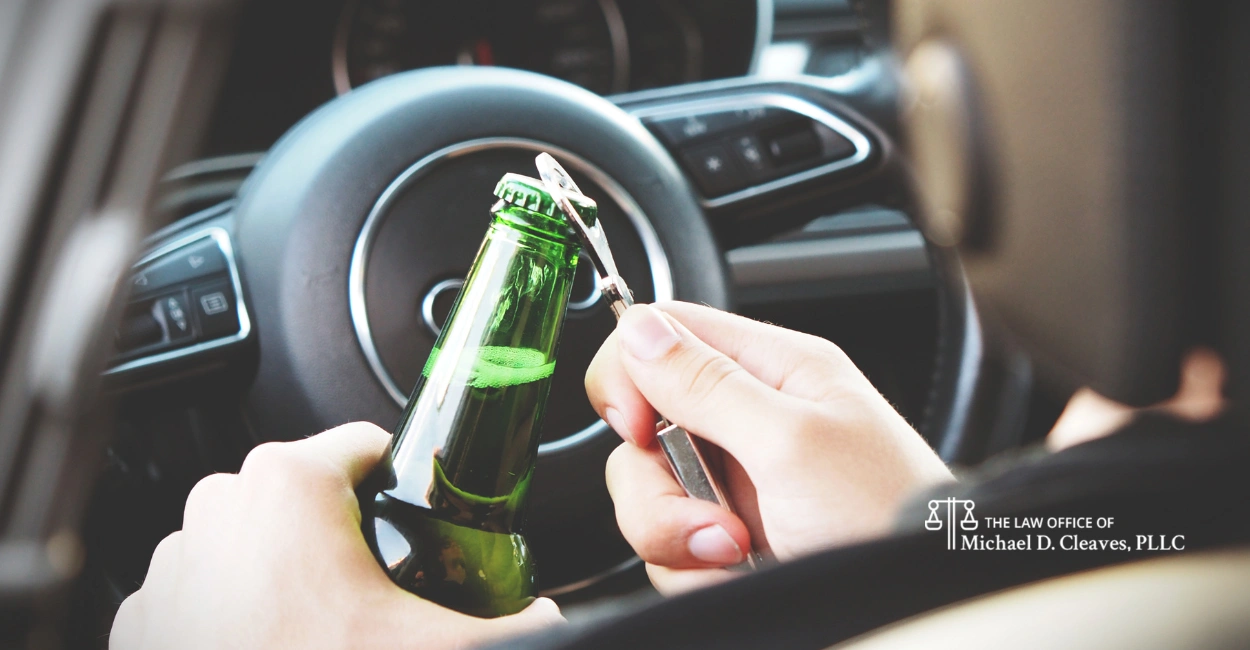
What Is The Difference Between A DUI And A DWI In North Carolina?
If you’ve been pulled over for suspected impaired driving in North Carolina, you may be confused about whether you’re facing a DUI or a DWI charge. The terms sound different, but in this state, there’s no legal distinction between them. North Carolina law uses DWI (driving while impaired) as the official charge for operating a vehicle under the influence of alcohol or drugs, and that’s what will appear on your citation and court documents.
Understanding this difference matters because searching for information using the wrong term can lead to confusion about your rights, the penalties you’re facing, and what happens next. Whether you see “DUI” or “DWI” in online searches or conversations with friends, you’re dealing with the same serious charge under North Carolina law, and the consequences don’t change based on which acronym someone uses.
If you’re charged with a DWI in North Carolina, you should speak with an attorney who understands how these cases are handled in your county. The Law Office of Michael D. Cleaves works with clients facing impaired driving charges throughout Iredell, Davie, and Alexander counties.
Key Takeaways
- North Carolina uses only DWI (Driving While Impaired) as the official legal term, not DUI, for all impaired driving charges.
- The state changed from DUI to DWI in 1983 under the current statutory framework that remains in effect today.
- DWI applies to impairment by alcohol, drugs, or any impairing substance regardless of what caused the impairment.
- A BAC of 0.08 percent or higher constitutes a per se violation of NC DWI law for drivers age 21 and over.
- North Carolina categorizes DWI offenses into six sentencing levels – from Level V (least serious) through Level I (most serious), plus Aggravated Level I for cases with three or more grossly aggravating factors – with the applicable level determined by the balance of factors in each case.
Understanding DWI vs DUI Terminology in North Carolina
Many people use DUI (Driving Under the Influence) and DWI (Driving While Impaired) interchangeably in everyday conversation, but these terms carry different legal meanings depending on the state. In North Carolina, only DWI appears in the official statute as the charge for operating a vehicle while impaired by alcohol, drugs, or any other impairing substance. This distinction matters when charges are filed and prosecuted in court.
North Carolina’s Official Legal Term
The state changed its terminology in 1983, adopting DWI as the exclusive term for all impaired driving offenses. Before that year, different terminology may have been used, but current law references only DWI. Whether someone says DUI or DWI when discussing a North Carolina case, the actual charge filed will always be DWI under state statute, according to North Carolina General Statutes.
How Other States Differ
Some states distinguish between DUI and DWI based on the substance causing impairment – using DUI for drug impairment and DWI for alcohol – or treat DUI as a lesser offense than DWI. North Carolina does not make these distinctions. All impaired driving falls under the single DWI classification regardless of whether alcohol, illegal drugs, prescription medications, or other substances caused the impairment.
This information is for education and is not legal advice.
What Constitutes a DWI in North Carolina
North Carolina law defines driving while impaired as operating a vehicle while under the influence of an impairing substance or with a blood alcohol concentration of 0.08 percent or higher – which constitutes a per se violation of the statute, independently sufficient to establish the offense.
This applies whether the impairment stems from alcohol, illegal drugs, prescription medications, or over-the-counter substances that affect a person’s ability to drive safely. The state takes a broad view of what qualifies as impairment.
Officers can charge a driver with DWI even when BAC measures below 0.08 percent if they establish impairment through field sobriety tests, observations of driving behavior, or other evidence. This means that physical signs of impairment matter as much as chemical test results in many cases.
Special BAC Thresholds for Certain Drivers
Commercial drivers face a limit of 0.04 percent, while drivers under age 21 are subject to a zero-tolerance standard under N.C.G.S. 20-138.3 – any detectable alcohol triggers a separate “Driving After Consuming” charge, distinct from a full DWI. If the underage driver’s BAC reaches 0.08 percent or they are appreciably impaired, they may also face a standard DWI charge under N.C.G.S. 20-138.1.
Vehicles Covered Under DWI Law
The statute applies to operating any vehicle, including cars, trucks, motorcycles, and boats in certain circumstances. This broad definition means impairment charges can arise in situations beyond typical roadway driving.
This information is for education and is not legal advice.
North Carolina DWI Sentencing Levels and Penalties
North Carolina has some of the strictest DWI laws in the country, and the state uses a unique sentencing structure that divides offenses into distinct categories. Understanding how judges assign these levels can help you grasp what penalties you may face if charged with a DWI. This information is for education and is not legal advice.
The Six-Level Sentencing Structure
North Carolina categorizes driving while impaired offenses into six sentencing levels. The five primary levels range from Level V (least serious) to Level I (most serious), with an additional Aggravated Level I reserved for the most severe cases where three or more grossly aggravating factors are present. Judges determine the appropriate level by evaluating the presence of grossly aggravating factors, aggravating factors, and mitigating factors specific to each case. The balance of these factors dictates whether a defendant receives a lighter or harsher sentence within the DWI framework.
How Judges Weigh the Factors
Grossly aggravating factors carry the most weight and include prior DWI convictions within seven years, operating a vehicle while under the influence with a revoked license due to a prior DWI, causing serious injury to another person, or having a child under 18 years old in the vehicle at the time of the offense.
Aggravating factors, which are less severe but still significant, include particularly reckless or dangerous driving behavior, a blood alcohol concentration of 0.15 percent or higher, negligent driving that leads to an accident, driving with any revoked license, or passing a stopped school bus.
Mitigating factors can work in a defendant’s favor and may include only slight impairment with a BAC barely above the legal threshold, otherwise safe and lawful driving except for the impairment itself, a previously safe driving record, or completion of a voluntary substance abuse assessment before the court date.
If you are charged with a DWI, you should speak with a DWI attorney in Statesville, NC, as soon as possible to understand how these factors apply to your case.
Long-Term Consequences of a DWI Conviction in NC
A DWI conviction in North Carolina creates consequences that extend far beyond the courtroom. Unlike many criminal offenses, a DWI remains on a person’s driving record permanently in this state and cannot be expunged under current law. Understanding these lasting impacts is necessary for anyone facing impaired driving charges.
Permanent Record and Prior Offense Status
North Carolina does not allow expungement of DWI convictions, meaning the offense stays visible on driving and criminal records indefinitely. This permanent status affects background checks for employment, housing, and professional licensing throughout a person’s life. For sentencing purposes, a DWI conviction counts as a prior offense for seven years, which dramatically affects the severity of penalties if a person faces subsequent charges during that period.
License and Insurance Consequences
A first-offense DWI typically results in a one-year license revocation, though limited driving privileges may become available after a waiting period and completion of certain requirements. Insurance consequences of a DWI conviction typically include premium increases that can reach 300 percent or more, potential policy cancellation, and in some cases SR-22 filing requirements depending on your insurer. These financial impacts often persist for three to five years after license reinstatement.
This information is for education and is not legal advice.
Why Choose The Law Office of Michael D. Cleaves
Michael D. Cleaves is the distinguished founder of The Law Office of Michael D. Cleaves, PLLC. With over two decades of experience, he brings a strategic, results-driven approach to every case. A graduate of UNC School of Law in 2000, Mr. Cleaves is also a fluent Spanish speaker, enabling him to serve diverse clients effectively. His experience spans criminal defense, personal injury, and workplace accident cases.
The firm is focused on criminal defense matters, including DWI charges, as well as personal injury and workplace accident claims. Mr. Cleaves is known for his skilled negotiation with insurance companies and prosecutors, working to achieve favorable outcomes for clients facing serious legal challenges. This information is for education and is not legal advice.
Frequently Asked Questions
What Is the Minimum Sentence for DWI in NC?
The minimum sentence depends on the sentencing level assigned by the court. Without access to current verified penalty ranges, you should consult with a DWI attorney in Statesville, NC, who can explain the specific consequences based on your case circumstances.
Can You Get a DWI Dropped in NC?
While challenging, DWI charges may be reduced or dismissed if procedural errors occurred, evidence was improperly obtained, or the prosecution cannot prove all elements of the offense beyond a reasonable doubt. This information is for education and is not legal advice.
How Long Does a DWI Stay on Record in NC?
A DWI conviction remains on your North Carolina driving record permanently and cannot be expunged under current state law.
Contact The Law Office of Michael D. Cleaves
If you are facing DWI charges in North Carolina, acting quickly can make a significant difference in protecting your rights and building a strong defense strategy. The Law Office of Michael D. Cleaves offers personalized representation to help you navigate the complexities of North Carolina DWI law and develop an approach tailored to your case.
We provide free consultations to review your situation, explain your legal options, and discuss the next steps in your defense. Schedule a Consultation with our Statesville office today to get the guidance you need during this challenging time.
North Carolina DWI Resources:
- Can I Refuse a Breathalyzer Test in North Carolina?
- North Carolina DWI Laws and Penalties
- How Should You Dress for a DWI Hearing?
- The Outcome of Your DWI Case May Depend on Breath Test Accuracy
- What Is the Impact a DWI Conviction on College?
- DWI charges and commercial motor vehicle drivers
- Traffic Statistics Show Deadly Effects of Speed, Alcohol
- What should you do during a DWI stop?
Get In Touch With Us
Fields Marked With An “*” Are Required

Contact Us
Call Us Today704-871-0425
Location
129 North Green Street
Statesville, NC 28677
Fax704-871-0427
Quick Links

© 2026 The Law Office of Michael D. Cleaves, PLLC • All rights reserved.
*Images are obtained under license from Canva and other third-party stock image providers, with attribution included where required.
Digital Marketing By 